
February 23, 2025
According to the FDI World Dental Federation, approximately 2.3 billion people suffer from tooth decay. If you’re experiencing even tooth discomfort or pain, its root cause can be tooth decay, making a visit to your nearest dentist essential.
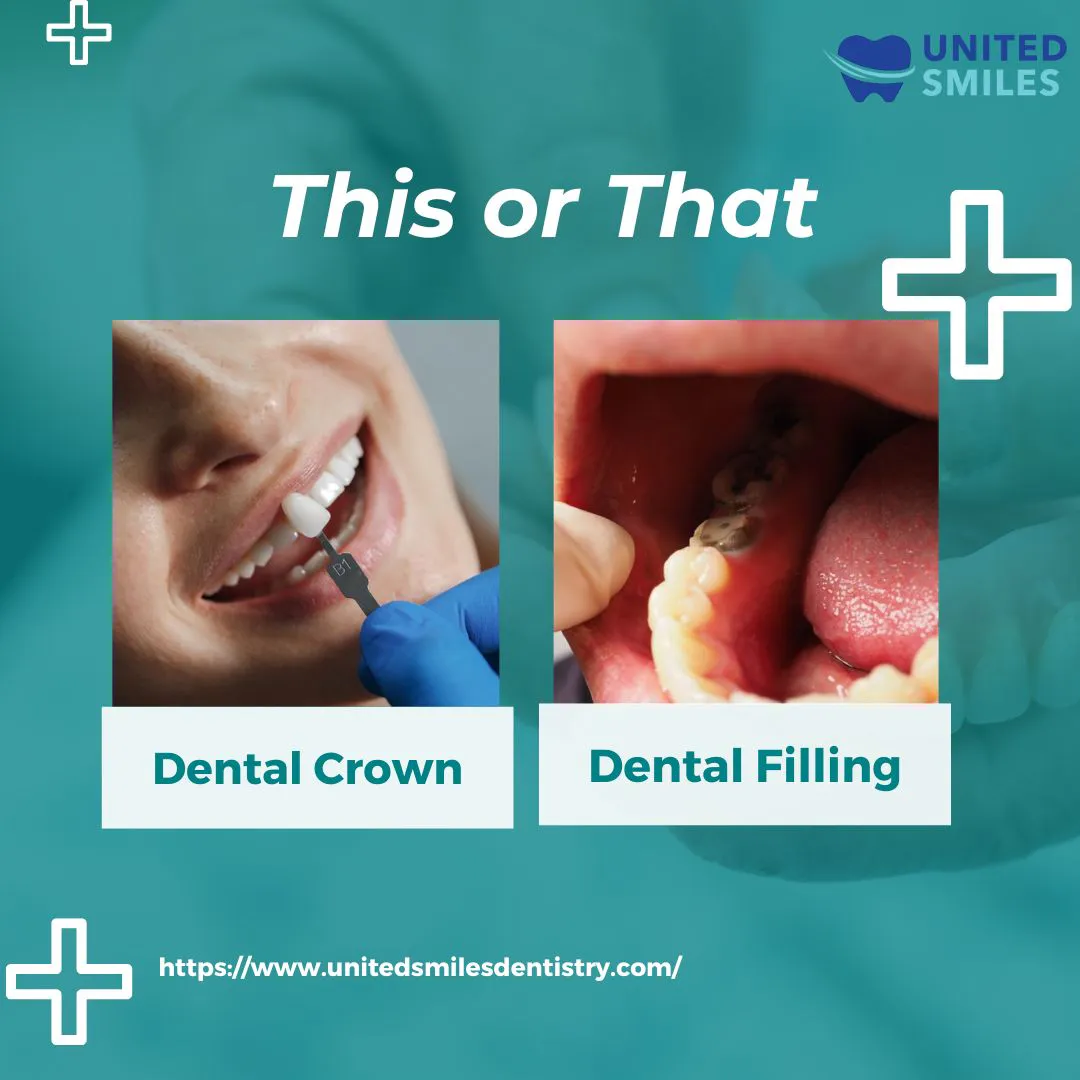
When it comes to treating tooth decay or structural damage caused by it, the two most common options are dental crowns and fillings. Both are designed to stop tooth decay and restore dental function. However, choosing the right treatment can be challenging as they both have pros and cons.
So, understanding the differences between a filling and a crown is crucial in deciding which treatment best suits your needs.
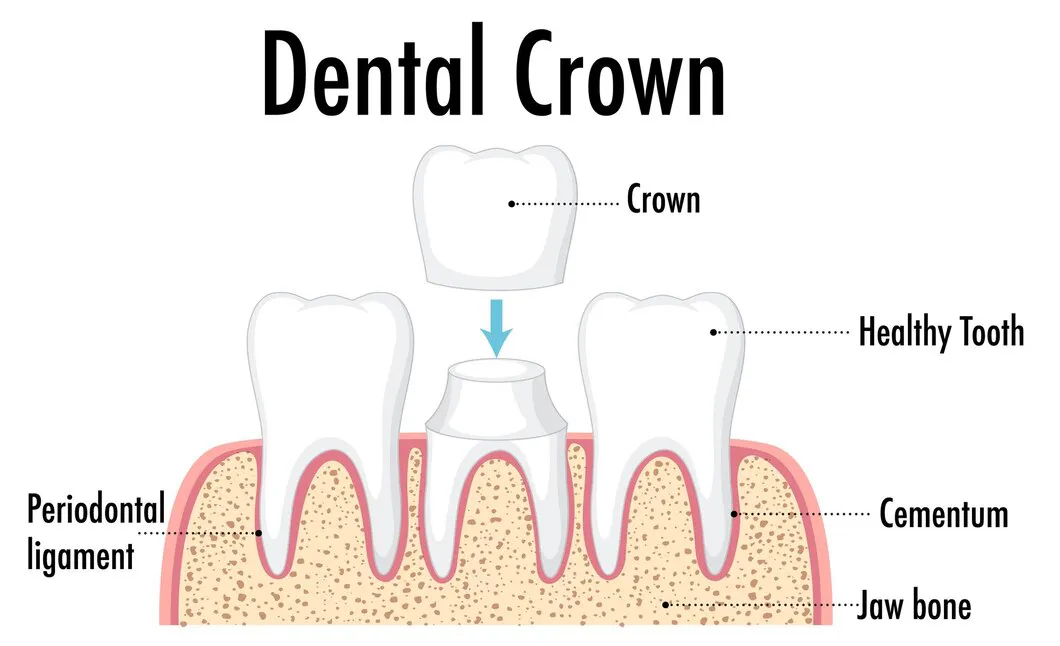
A dental crown is a tooth-shaped cap placed over a damaged, decayed, or weakened tooth to restore its shape, size, strength, and appearance. It acts as a protective barrier against further decay and fractures. Nowadays, dental crowns are made from various materials, including porcelain, ceramic, metal, or a combination of these.
Since it matches a natural tooth's shape, size, and color, it can significantly improve the aesthetics of a damaged or discolored tooth.
With proper care, these can last between five and fifteen years.
The first step in getting a dental crown is an initial examination. The dentist assesses the tooth’s condition using X-rays to determine whether a crown is necessary. If there is significant decay or an infection, a root canal may be required before the crown can be placed.
Once the dentist confirms that a crown is the best solution, the tooth is reshaped to create enough space for it. A thin layer of enamel is removed to ensure a proper fit.
If the tooth is severely damaged or worn down, the dentist may use a filling material to rebuild its structure before reshaping it.
After reshaping the tooth, the dentist takes an impression or a digital scan of the tooth and surrounding teeth. This ensures that the final crown fits perfectly with the natural teeth.
The impression is then sent to a dental lab, where the permanent crown is custom-made, a process that usually takes one to two weeks. So, during this time, your dentist will cover your tooth with a temporary crown for protection.
Once the permanent crown is ready, the temporary one is removed. The dentist carefully checks the fit, shape, and color of the new crown to ensure it looks and feels just like a natural tooth.
Adjustments may be made if necessary to achieve a comfortable bite. Once everything is perfect, the crown is permanently cemented in place using a strong dental adhesive.
After the dental crown placement is done, the dentist makes final refinements to ensure an even bite and optimal comfort. Some patients may experience mild sensitivity or discomfort for a few days, but this typically goes away after a few days.
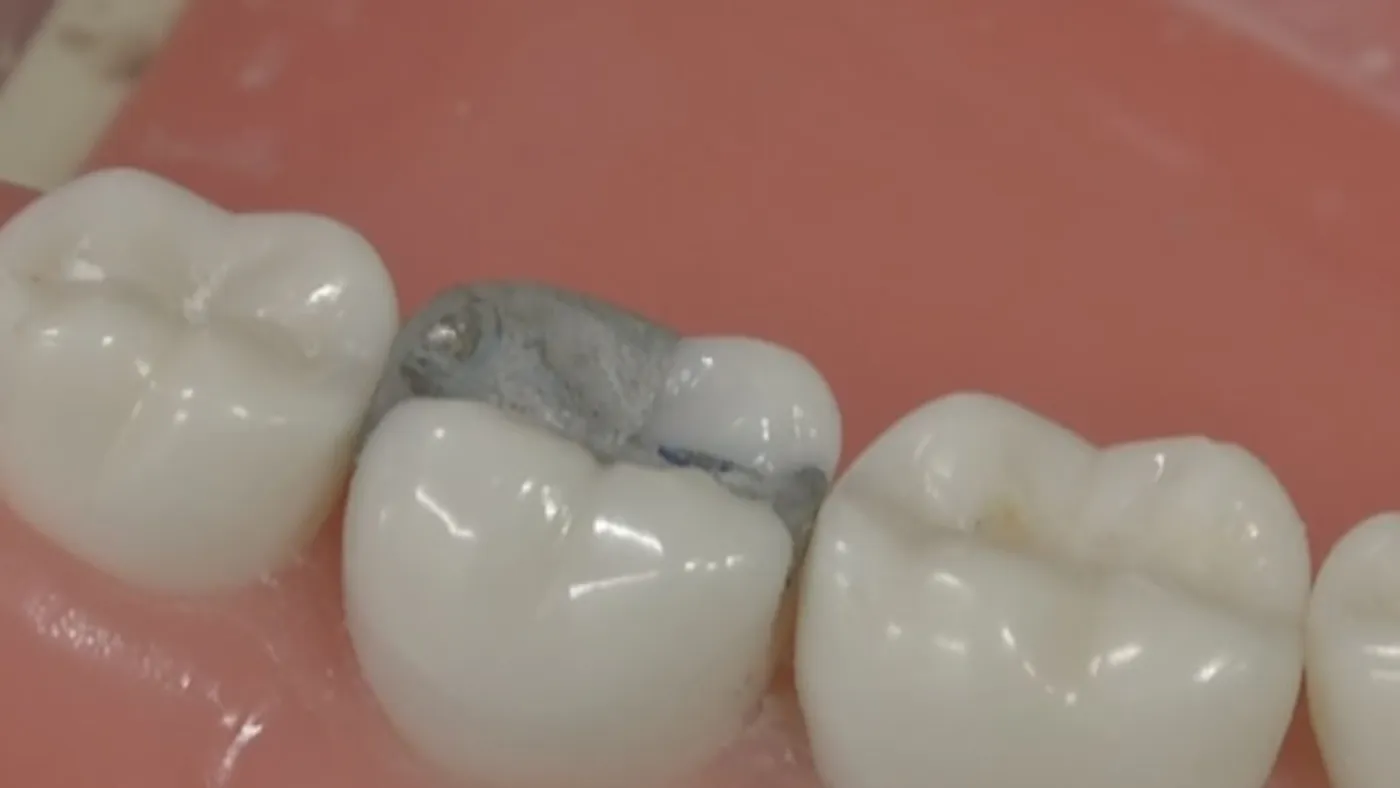
A dental filling is a material used to repair a tooth that has been damaged by decay, minor fractures, or natural wear. It restores the shape and function of the tooth while also shielding it from further decay.
Fillings are made from composite resin, amalgam, gold, or ceramic materials, each offering different benefits in terms of durability, aesthetics, and cost.
Unlike crowns, fillings require minimal tooth removal and are a more budget-friendly treatment for minor to moderate tooth decay.
With proper care, fillings (depending on the material) can last between five and fifteen years.
The dentist first examines the tooth and takes X-rays to determine the extent of decay. If a filling is the best solution, the decayed portion is removed using a dental drill or laser (which makes the sound often associated with dentists). The area is then cleaned to ensure all bacteria and debris are eliminated.
The dentist will discuss the best material based on the tooth’s location, function, and aesthetics. Composite resin is popular for most teeth due to its natural appearance, while amalgam or gold may be recommended for back teeth due to their durability in rare cases.
Once the decayed portion is removed, the dentist applies the filling material in layers. Each layer is hardened using a special light (for composite fillings). The filling is then shaped and polished to match the natural contours of the tooth, ensuring a comfortable bite.
After the filling is placed, the dentist makes final refinements to ensure proper function and comfort. Some patients may experience mild sensitivity to hot or cold foods for a few days, but this usually subsides.
Choosing between a dental crown and a filling depends on the extent of tooth damage, your oral health needs, and your long-term goals. So, just to recap:
Consulting your dentist is the best way to determine the right option for your specific case. With proper care, both treatments can help you maintain a healthy and functional smile for years to come.
Yes, dental fillings are safe for kids. They help prevent cavities from worsening and protect teeth. Dentists use child-friendly materials like composite resin for a natural look and safety.
Choosing between tooth filling or crown depends on the tooth’s condition. Filling is needed for minor cavities, while crowns are needed for significant damage. Your dentists will recommend the best options.
Crowns protect damaged teeth but don’t prevent cavities. Proper oral hygiene is essential to avoid decay around or under the crown.
Crowns don’t damage teeth but require reshaping for proper fit. A well-placed crown strengthens a weekend tooth and enhances durability.


I had a great experience at Dr. Hetal Shah’s office! The staff was friendly and welcoming from the moment I arrived. The practice is very clean and hygienic. Dr. Shah was thorough and explained everything clearly during my check-up. The cleaning was gentle yet effective, and I appreciated the helpful tips she gave me for maintaining my oral health at home.

I found United Smiles on Yelp. They had good reviews, took my insurance, and were open on Saturdays, so I gave them a try. I was pleasantly surprised by the clean office and friendly staff. Dr. Shah was great! She was very friendly and gentle but thorough with my teeth cleaning. I look forward to future treatment with Dr. Shah & her staff.

I just finished my Invisalign treatment with Dr. Shah, and I’m so happy with the results! From the first consultation to getting my retainer, Dr. Shah and the team were super friendly and made sure I was comfortable throughout the whole process. They were always ready to answer my questions, and everything went smoothly and quickly. My smile looks great now, and I definitely recommend Dr. Shah to anyone thinking about Invisalign she is awesome at what she does!

I had a great experience during my first dental visit at United Smiles Dental Studio. Dr. Shah’s team make you feel welcomed from the moment you walk in! I recommend Dr. Shah if you’re looking for an honest, professional and caring dentist, she’s the best dentist we’ve met. She listens to your questions and concerns and explains everything during the exam. Thanks Dr. Shah and Team!

Our whole family visits United Smiles. We are very happy with their services. The staff is very friendly and welcoming. Dr Shah is amazing! She has remedy and good suggestions for all of our dental problems. Thank you Dr Shah and team for everything!!

I had really nice experience, It was my first time I visited there & Doctor Hetal was Awesome & all staff was really good.

Dr. Hetal is very nice and gentle with kids. I highly recommend her. She is knowledgeable and listens to all the concerns really well. My kids like her a lot!

I had a great experience with Dr. Shah to replace a broken filling. She was fast and meticulous at the same time, couldn’t have asked for a more pleasant experience. The young man assisting Dr. Shah was very helpful too. Thank you so much, Dr. Shah!

Dr. Shah is extremely thorough in my examination and cleaning my teeth today. Dr. Shah is very warm and friendly. I recommend her to everyone.


Are you ready to transform your smile with Invisalign? Contact us now or request your first appointment to start your journey toward a healthier, more confident smile!
Schedule TodayJoin our monthly newsletter to receive expert dental advice, seasonal promotions, and the latest news from United Smiles Dentistry.


HOURSMonday | 9 AM–5 PM
Tuesday | 9 AM–5 PM
Wednesday | 9 AM–5 PM
Friday | 9 AM–5 PM
Saturday | 9 AM–3 PM
Thursday | Closed
Sunday | Closed
Contact Us
United Smiles Dentistry
1523 N Vasco Rd,
Livermore, CA 94551
(925) 373-4855
.png)
.png)

Subscribe Newsletters


