
June 2, 2024
In this comprehensive guide, we will explore everything you need to know about gum disease. We’ll start by explaining what gum disease is, including its stages and symptoms. Next, we’ll discuss the various factors that can cause gum disease, such as poor oral hygiene, smoking, and medical conditions. We’ll then go over the professional treatment options available, from deep cleanings and antibiotic therapy to advanced surgical procedures. Finally, we’ll provide tips on how to maintain healthy gums after treatment to prevent the recurrence of gum disease. If you have any questions or need further information, don’t hesitate to contact our clinic. We’re here to help you achieve and maintain optimal oral health.
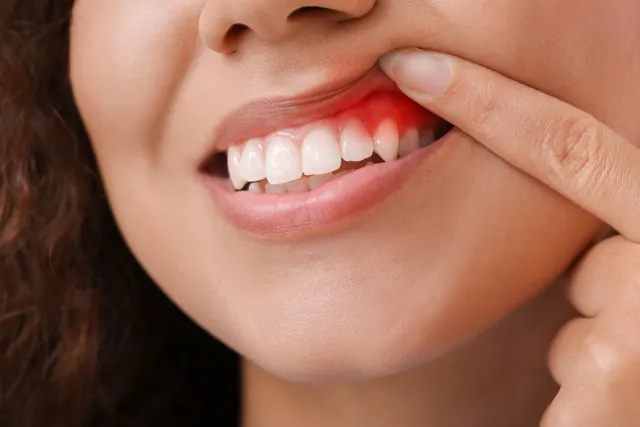
Gum disease, also known as periodontal disease, is an infection of the tissues that hold your teeth in place. It is a common yet serious condition that can lead to tooth loss and other significant health problems if left untreated. Understanding the stages, causes, and symptoms of gum disease is crucial for early detection and effective treatment.
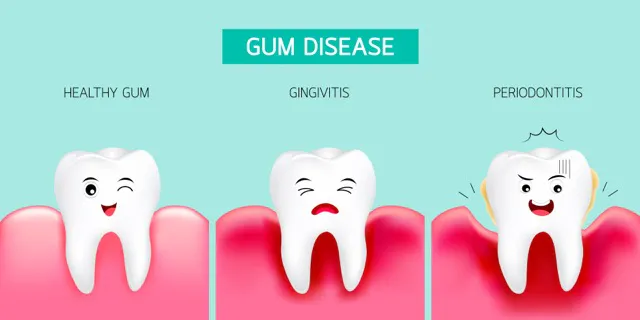
Gum disease progresses through several stages with distinct symptoms. The earliest stage, gingivitis, involves red, swollen gums that may bleed easily during brushing or flossing. This is often due to plaque buildup from poor oral hygiene. If not treated, gingivitis can advance to periodontitis. In this stage, gums pull away from the teeth, forming infected pockets. Symptoms include persistent bad breath, receding gums, and loose teeth as the infection starts to damage the bone and connective tissues.
In the most severe stage, advanced periodontitis, significant damage to the supporting bone and fibers can lead to loose or lost teeth, severe pain, and pus between the teeth and gums. Recognizing these symptoms early and seeking professional treatment is crucial to preventing further damage and maintaining healthy gums. If you experience any of these symptoms, contact our clinic for a thorough examination and personalized treatment plan.
Several factors can lead to gum disease, including:
If you are diagnosed with gum disease, several treatment options are available depending on the severity of the condition. Here are the primary professional treatments:
By working closely with a dental professional and following their recommendations, you can effectively manage and treat gum disease, leading to healthier gums and overall improved oral health.
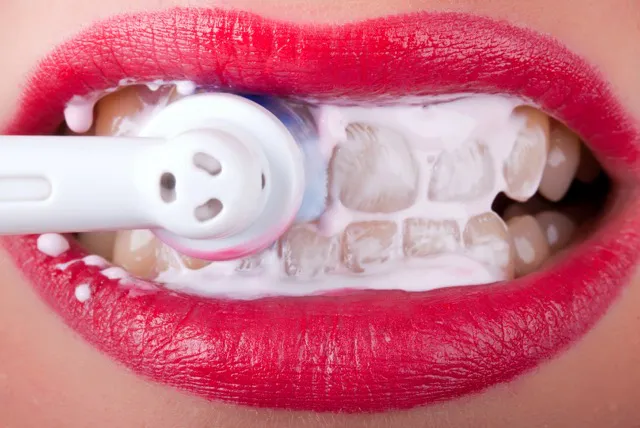
Here are some key tips:
Brush Twice Daily: Use fluoride toothpaste and a soft-bristled toothbrush to clean your teeth, focusing on the gum line.
Floss Daily: Remove plaque and food particles from between teeth and under the gum line.
Use Antibacterial Mouthwash: Reduce bacteria and plaque by rinsing with an antibacterial mouthwash.
Eat a Healthy Diet: Include vitamin C-rich fruits and vegetables and omega-3 fatty acids. Limit sugary foods and drinks.
Stay Hydrated: Drink plenty of water to wash away food particles and promote saliva production.
Avoid Tobacco Products: Quit smoking and using tobacco to reduce the risk of gum disease.
Manage Stress: Engage in stress-reducing activities like exercise, meditation, and yoga.
Regular Dental Check-Ups: Visit your dentist every six months for check-ups and professional cleanings.
Maintaining healthy gums is essential for your overall oral health and well-being. By practicing good oral hygiene, eating a balanced diet, staying hydrated, avoiding tobacco products, managing stress, and attending regular dental check-ups, you can effectively prevent gum disease and ensure your gums stay healthy. Remember, your dentist is a valuable partner in maintaining your oral health, so don't hesitate to seek professional advice and care. By incorporating these habits into your daily routine, you can enjoy a healthy, beautiful smile for years to come. If you have any questions or need personalized guidance, contact our clinic—we're here to help you achieve optimal gum health.
Gum disease, also known as periodontal disease, is an infection of the tissues that surround and support your teeth. It is caused by plaque, a sticky film of bacteria that forms on your teeth. If not removed, plaque can harden into tartar, leading to gum inflammation and infection.
While home remedies and lifestyle changes can help manage and improve gum health, they are not a substitute for professional dental care. It is important to seek a dentist's advice for severe or persistent gum disease.
Maintaining good oral hygiene is crucial. Brush your teeth at least twice a day, floss daily, and use an antibacterial mouthwash. Additionally, consider natural remedies like salt water rinses, aloe vera gel, turmeric paste, and oil pulling to reduce gum inflammation.
Natural remedies that can help reduce gum inflammation include:
Eating a healthy diet can significantly improve gum health. Increase your intake of vitamin C and omega-3 fatty acids by consuming citrus fruits, strawberries, bell peppers, broccoli, fatty fish, flaxseeds, chia seeds, and walnuts. Avoid sugary foods and drinks that promote plaque buildup.
Tobacco products weaken your immune system, making it harder to fight off infections, including gum disease. Quitting smoking or using other tobacco products can greatly improve your gum health and reduce the risk of developing gum disease.
Yes, stress can negatively impact your immune system, making it more difficult for your body to fight off infections like gum disease. Practicing stress-reducing activities such as exercise, meditation, yoga, or deep breathing exercises can help manage stress and promote better oral health.
Drinking plenty of water helps keep your mouth clean by washing away food particles and bacteria. Staying hydrated also promotes saliva production, which neutralizes acids and protects your teeth and gums from infection.
If you notice persistent symptoms of gum disease, such as swollen, bleeding, or receding gums, it is important to seek professional dental care. Home remedies can help manage the condition, but a dentist can provide more comprehensive treatment to prevent further complications.
To prevent gum disease, you should brush your teeth at least twice a day with fluoride toothpaste and floss daily. Regular brushing and flossing help remove plaque and food particles that can lead to gum inflammation and infection.
While home remedies can help manage early stages of gum disease and improve overall gum health, professional dental care should not be avoided. Regular dental check-ups and cleanings are essential for maintaining optimal oral health and preventing serious dental issues.
Most natural remedies for gum disease, such as salt water rinses, aloe vera, turmeric paste, and oil pulling, are safe when used correctly. However, it is important to use these remedies as complementary treatments and not as a replacement for professional dental care. Always consult with a healthcare professional if you have concerns about using natural remedies.


I had a great experience at Dr. Hetal Shah’s office! The staff was friendly and welcoming from the moment I arrived. The practice is very clean and hygienic. Dr. Shah was thorough and explained everything clearly during my check-up. The cleaning was gentle yet effective, and I appreciated the helpful tips she gave me for maintaining my oral health at home.

I found United Smiles on Yelp. They had good reviews, took my insurance, and were open on Saturdays, so I gave them a try. I was pleasantly surprised by the clean office and friendly staff. Dr. Shah was great! She was very friendly and gentle but thorough with my teeth cleaning. I look forward to future treatment with Dr. Shah & her staff.

I just finished my Invisalign treatment with Dr. Shah, and I’m so happy with the results! From the first consultation to getting my retainer, Dr. Shah and the team were super friendly and made sure I was comfortable throughout the whole process. They were always ready to answer my questions, and everything went smoothly and quickly. My smile looks great now, and I definitely recommend Dr. Shah to anyone thinking about Invisalign she is awesome at what she does!

I had a great experience during my first dental visit at United Smiles Dental Studio. Dr. Shah’s team make you feel welcomed from the moment you walk in! I recommend Dr. Shah if you’re looking for an honest, professional and caring dentist, she’s the best dentist we’ve met. She listens to your questions and concerns and explains everything during the exam. Thanks Dr. Shah and Team!

Our whole family visits United Smiles. We are very happy with their services. The staff is very friendly and welcoming. Dr Shah is amazing! She has remedy and good suggestions for all of our dental problems. Thank you Dr Shah and team for everything!!

I had really nice experience, It was my first time I visited there & Doctor Hetal was Awesome & all staff was really good.

Dr. Hetal is very nice and gentle with kids. I highly recommend her. She is knowledgeable and listens to all the concerns really well. My kids like her a lot!

I had a great experience with Dr. Shah to replace a broken filling. She was fast and meticulous at the same time, couldn’t have asked for a more pleasant experience. The young man assisting Dr. Shah was very helpful too. Thank you so much, Dr. Shah!

Dr. Shah is extremely thorough in my examination and cleaning my teeth today. Dr. Shah is very warm and friendly. I recommend her to everyone.


Are you ready to transform your smile with Invisalign? Contact us now or request your first appointment to start your journey toward a healthier, more confident smile!
Schedule TodayJoin our monthly newsletter to receive expert dental advice, seasonal promotions, and the latest news from United Smiles Dentistry.


HOURSMonday | 9 AM–5 PM
Tuesday | 9 AM–5 PM
Wednesday | 9 AM–5 PM
Friday | 9 AM–5 PM
Saturday | 9 AM–3 PM
Thursday | Closed
Sunday | Closed
Contact Us
United Smiles Dentistry
1523 N Vasco Rd,
Livermore, CA 94551
(925) 373-4855
.png)
.png)

Subscribe Newsletters


