October 18, 2025
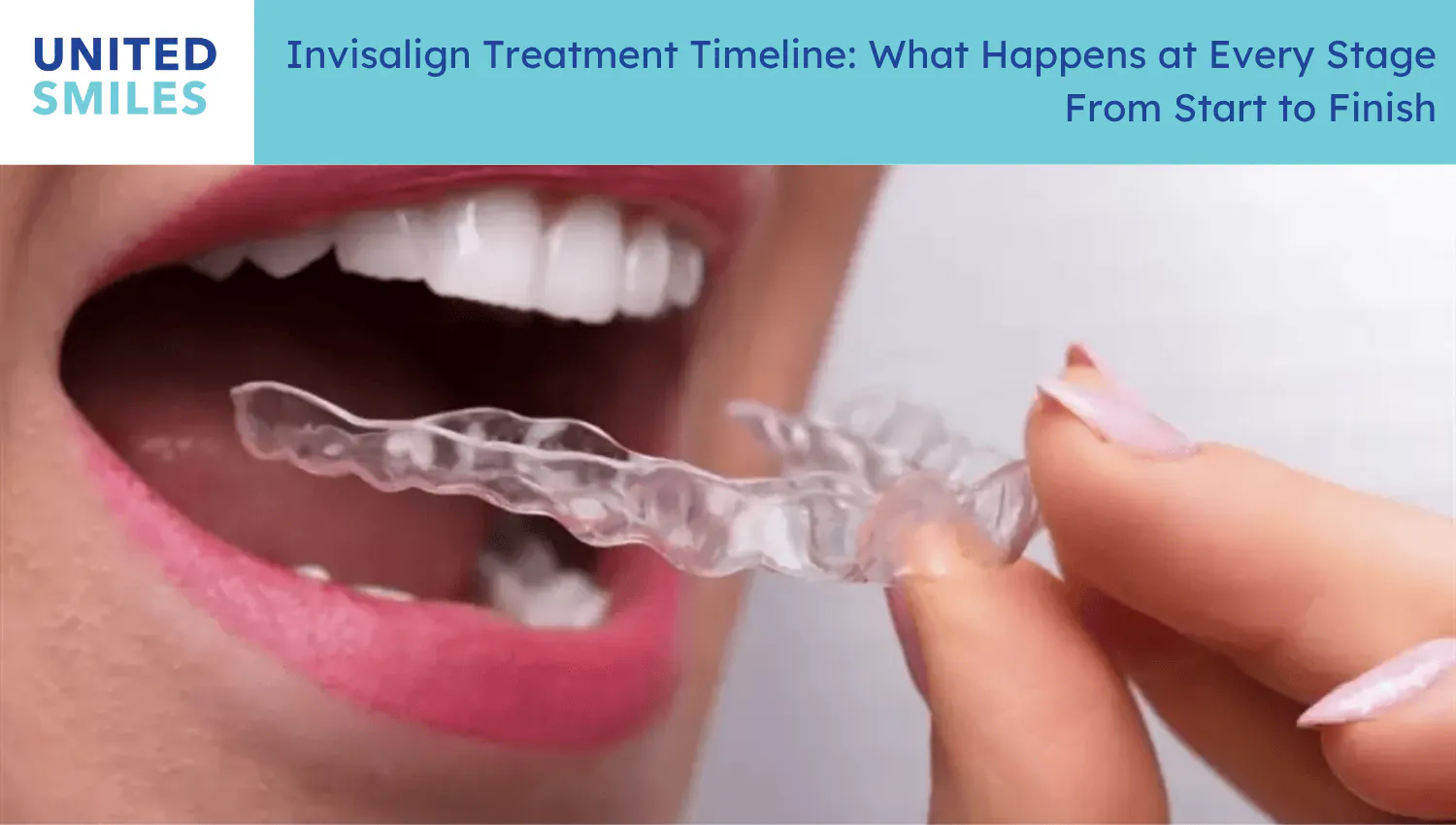
Invisalign treatment is used to straighten teeth alignment or jaw alignment. A custom-made clear aligner puts a consistent force on the teeth to shift them to the intended position. This procedure goes through multiple phases from initial consultation to the final retention stage. Compliance of the patient is the key to successful completion of the treatment stages.
Here are the four stages of the initial consultation in the Invisalign treatment:
Here are the four steps to create a custom plan for Invisalign treatment:
Here are the four steps in a first-fitting appointment:
Here are the four recommendations during the treatment:
Refinements are used with the aligners to achieve the desired results in case of delayed results. In this process, the scans are taken, and new aligners are prepared. It extends the duration of the treatment, as the process is like to start from the initial stage.
At the end of the treatment, the orthodontist evaluates the final results. The final alignments, bite issues, and smile aesthetics are checked to mark the difference. The attachments are removed carefully, and the patient is guided to the next steps.
Retainers help keep the teeth in their new position and prevent them from shifting back after treatment is complete. These retainers are of two types: fixed and removable retainers. The removable retainers are further divided into Essix retainers and Hawley retainers. At the start, the retainers are worn full-time, but later on, the patient is advised to put them in at night only. Frequent check-ups help to maintain the results and make necessary adjustments.
The mild-moderate cases need 6 to 18 months of treatment. The age, complexity, and compliance of the patient affect the overall duration. Complex cases require 18-24 months of treatment. Use of refinements or additional trays in case of complex cases extends the timeline and the cost of treatment. Maintaining good hygiene and wearing aligners regularly decreases the predicted treatment duration.


I had a great experience at Dr. Hetal Shah’s office! The staff was friendly and welcoming from the moment I arrived. The practice is very clean and hygienic. Dr. Shah was thorough and explained everything clearly during my check-up. The cleaning was gentle yet effective, and I appreciated the helpful tips she gave me for maintaining my oral health at home.

I found United Smiles on Yelp. They had good reviews, took my insurance, and were open on Saturdays, so I gave them a try. I was pleasantly surprised by the clean office and friendly staff. Dr. Shah was great! She was very friendly and gentle but thorough with my teeth cleaning. I look forward to future treatment with Dr. Shah & her staff.

I just finished my Invisalign treatment with Dr. Shah, and I’m so happy with the results! From the first consultation to getting my retainer, Dr. Shah and the team were super friendly and made sure I was comfortable throughout the whole process. They were always ready to answer my questions, and everything went smoothly and quickly. My smile looks great now, and I definitely recommend Dr. Shah to anyone thinking about Invisalign she is awesome at what she does!

I had a great experience during my first dental visit at United Smiles Dental Studio. Dr. Shah’s team make you feel welcomed from the moment you walk in! I recommend Dr. Shah if you’re looking for an honest, professional and caring dentist, she’s the best dentist we’ve met. She listens to your questions and concerns and explains everything during the exam. Thanks Dr. Shah and Team!

Our whole family visits United Smiles. We are very happy with their services. The staff is very friendly and welcoming. Dr Shah is amazing! She has remedy and good suggestions for all of our dental problems. Thank you Dr Shah and team for everything!!

I had really nice experience, It was my first time I visited there & Doctor Hetal was Awesome & all staff was really good.

Dr. Hetal is very nice and gentle with kids. I highly recommend her. She is knowledgeable and listens to all the concerns really well. My kids like her a lot!

I had a great experience with Dr. Shah to replace a broken filling. She was fast and meticulous at the same time, couldn’t have asked for a more pleasant experience. The young man assisting Dr. Shah was very helpful too. Thank you so much, Dr. Shah!

Dr. Shah is extremely thorough in my examination and cleaning my teeth today. Dr. Shah is very warm and friendly. I recommend her to everyone.


Are you ready to transform your smile with Invisalign? Contact us now or request your first appointment to start your journey toward a healthier, more confident smile!
Schedule TodayJoin our monthly newsletter to receive expert dental advice, seasonal promotions, and the latest news from United Smiles Dentistry.


HOURSMonday | 9 AM–5 PM
Tuesday | 9 AM–5 PM
Wednesday | 9 AM–5 PM
Friday | 9 AM–5 PM
Saturday | 9 AM–3 PM
Thursday | Closed
Sunday | Closed
Contact Us
United Smiles Dentistry
1523 N Vasco Rd,
Livermore, CA 94551
(925) 373-4855
.png)
.png)

Subscribe Newsletters


