
December 16, 2024
Having a tooth extracted can be a nerve-wracking experience. While most people recover without issue, a potential complication can make healing far more painful: dry socket. If you’re reading this because you’re wondering if you might have it or how to avoid it altogether, this blog will walk you through everything you need to know about dry sockets.

From the causes and symptoms to effective treatments and prevention tips, you will learn everything you need to know about dry sockets.
A dry socket is a painful condition that sometimes occurs after a tooth extraction, most commonly after the removal of wisdom teeth. After a tooth is pulled, a blood clot forms in the socket to protect the underlying bone and nerves while the area heals. In the case of a dry socket, this clot either dissolves prematurely or becomes dislodged, exposing the bone. This exposure results in intense pain, and healing is delayed.
Under normal circumstances, the blood clot that forms after an extraction is a protective barrier. It shields the bone and nerves, allowing the area to heal. But if something disrupts this clot, whether through smoking, straw, or even aggressive spitting, the clot can be dislodged, exposing the sensitive bone and nerves. That’s when the pain kicks in, often more intensely than you might expect.
There are a few key reasons dry sockets might develop, and understanding them can help you avoid it:
While anyone can develop dry socket, certain factors increase your chances:
Combining certain actions and body chemistry can interfere with the body’s normal healing process. For example, smoking decreases blood flow to the extraction site, preventing the formation of a healthy blood clot. Meanwhile, mechanical actions like straw or aggressive rinsing can physically disrupt the clot, exposing the bone underneath. These factors all increase the risk of dry socket after tooth extraction.
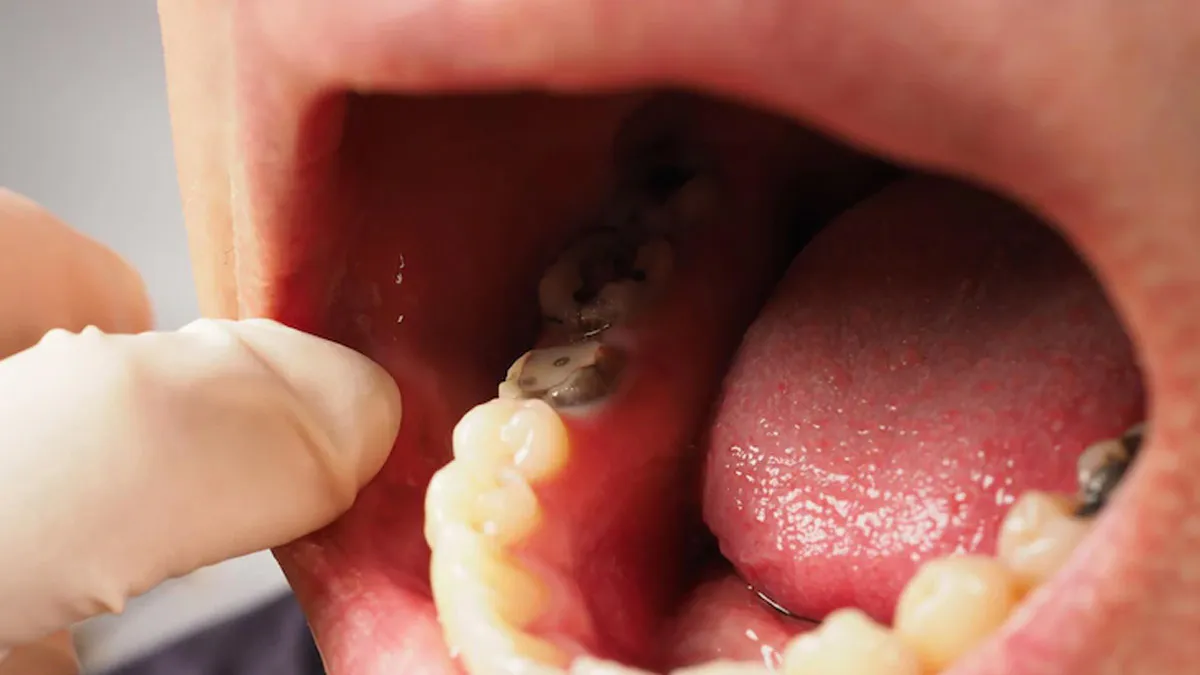
Knowing the symptoms of a dry socket is key if you're wondering whether you might have one.
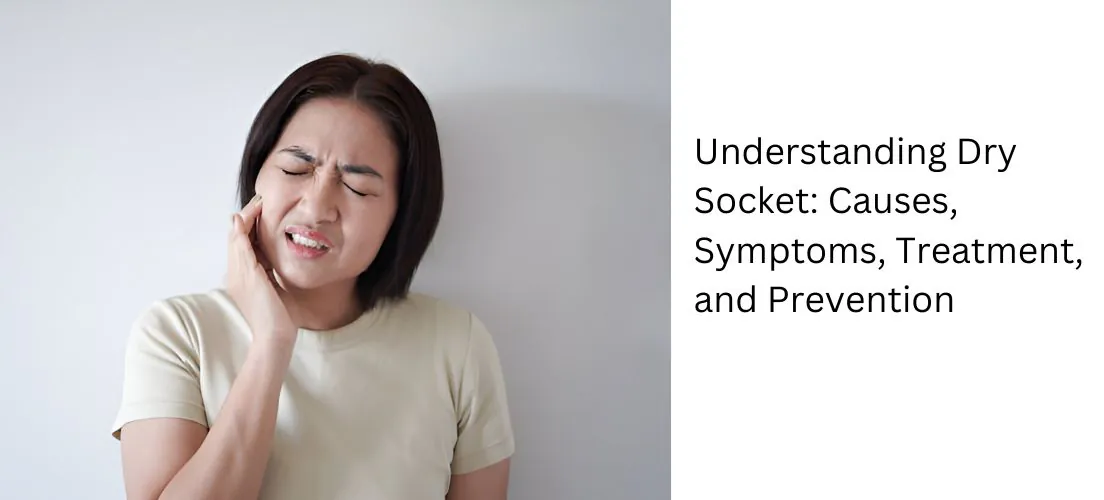
The most obvious sign of a dry socket is intense pain. If you ask yourself, "What does dry socket pain feel like?" it’s often described as throbbing, sharp, or aching. This pain starts two to five days after the extraction and can radiate to your ear, eye, or jaw. While some discomfort is normal in the first few days after a tooth extraction, dry socket pain is far more severe and persistent.
It’s also worth noting that dry socket pain doesn’t improve with typical post-extraction care, like over-the-counter pain medication. In fact, it often gets worse. So, if you’ve been taking your painkillers but find that the pain is intensifying, you might be dealing with a dry socket.
So, what does dry socket look like? The telltale sign is an empty, dry-looking socket. After an extraction, the area should be filled with a blood clot. In cases of dry socket, this clot is either missing or dislodged, and the bone may be visible. You might also notice a bad taste in your mouth or foul-smelling breath because the exposed bone is more vulnerable to infection.
Dry socket pain is intense because the bone and nerves in the extraction site are left exposed. Normally, the blood clot provides a cushion, but when it’s lost, the sensitive tissue underneath is unprotected. Additionally, the healing process is disrupted, which leads to ongoing irritation and inflammation, making the pain even worse.
If you’re experiencing dry socket symptoms, it's important to see your dentist as soon as possible. Early treatment can prevent the pain from getting worse.
If you suspect you have a dry socket, your dentist will clean the area and remove any debris. They’ll then place a medicated dressing inside the socket to help soothe the exposed bone and prevent infection. This dressing is often changed every few days until the pain subsides.
Along with professional treatment, your dentist may provide some guidelines for at-home care to support healing. Some important tips include:
A dry socket can sometimes require follow-up visits to your dentist for additional treatment. Your dentist may need to replace the medicated dressing every few days and monitor the area to ensure it’s healing properly. The good news is that a dry socket usually heals in about a week.
While it’s not always possible to prevent dry sockets, there are steps you can take to minimize the risk.
Maintaining good oral hygiene during recovery is essential, but be gentle around the extraction site. Avoid brushing the area directly until it has healed, and use any prescribed mouthwash as directed by your dentist.
If you’re experiencing any of the symptoms above, it’s important to seek professional help as soon as possible.
The sooner you address dry sockets, the easier they are to manage. Ignoring them could lead to prolonged pain and complications like infection. Your dentist can provide relief and ensure the area heals properly.
While dry sockets after tooth extraction can be an uncomfortable and painful complication, knowing the signs of dry sockets and how to manage them can help you recover more quickly. By recognizing the symptoms early, seeking prompt treatment, and following the proper care instructions, you can minimize the discomfort and get back on the road to healing.
If you're experiencing severe pain or if you're unsure how to tell if you have a dry socket, it’s always a good idea to reach out to your dentist for guidance.
Remember, prevention is always better than cure, so follow your dentist's aftercare advice carefully to reduce your risk of developing a dry socket.
To fix your dry socket on your own, rinse your mouth with warm salt water at least three to four times a day. Be extra careful while eating or drinking. Gently brush your teeth around the dry socket area. Avoid carbonated drinks and use a straw to prevent the clot from coming out.
Avoid caffeine, carbonated beverages, and alcohol. For the first 24 hours, you can eat soft foods, which can also reduce the risk of irritating the extraction site. Using a straw can dislodge a blood clot in the socket, so it is advised to avoid using it.
There are several warning signs of dry sockets. You will feel severe pain for one to three days after the tooth is pulled. There will be a bad taste in your mouth. You would feel pain from the socket to the eye, ear, temple, or even neck on the same side, realizing that the tooth was pulled. Bad smells or breath could also be coming from your mouth.


I had a great experience at Dr. Hetal Shah’s office! The staff was friendly and welcoming from the moment I arrived. The practice is very clean and hygienic. Dr. Shah was thorough and explained everything clearly during my check-up. The cleaning was gentle yet effective, and I appreciated the helpful tips she gave me for maintaining my oral health at home.

I found United Smiles on Yelp. They had good reviews, took my insurance, and were open on Saturdays, so I gave them a try. I was pleasantly surprised by the clean office and friendly staff. Dr. Shah was great! She was very friendly and gentle but thorough with my teeth cleaning. I look forward to future treatment with Dr. Shah & her staff.

I just finished my Invisalign treatment with Dr. Shah, and I’m so happy with the results! From the first consultation to getting my retainer, Dr. Shah and the team were super friendly and made sure I was comfortable throughout the whole process. They were always ready to answer my questions, and everything went smoothly and quickly. My smile looks great now, and I definitely recommend Dr. Shah to anyone thinking about Invisalign she is awesome at what she does!

I had a great experience during my first dental visit at United Smiles Dental Studio. Dr. Shah’s team make you feel welcomed from the moment you walk in! I recommend Dr. Shah if you’re looking for an honest, professional and caring dentist, she’s the best dentist we’ve met. She listens to your questions and concerns and explains everything during the exam. Thanks Dr. Shah and Team!

Our whole family visits United Smiles. We are very happy with their services. The staff is very friendly and welcoming. Dr Shah is amazing! She has remedy and good suggestions for all of our dental problems. Thank you Dr Shah and team for everything!!

I had really nice experience, It was my first time I visited there & Doctor Hetal was Awesome & all staff was really good.

Dr. Hetal is very nice and gentle with kids. I highly recommend her. She is knowledgeable and listens to all the concerns really well. My kids like her a lot!

I had a great experience with Dr. Shah to replace a broken filling. She was fast and meticulous at the same time, couldn’t have asked for a more pleasant experience. The young man assisting Dr. Shah was very helpful too. Thank you so much, Dr. Shah!

Dr. Shah is extremely thorough in my examination and cleaning my teeth today. Dr. Shah is very warm and friendly. I recommend her to everyone.


Are you ready to transform your smile with Invisalign? Contact us now or request your first appointment to start your journey toward a healthier, more confident smile!
Schedule TodayJoin our monthly newsletter to receive expert dental advice, seasonal promotions, and the latest news from United Smiles Dentistry.


HOURSMonday | 9 AM–5 PM
Tuesday | 9 AM–5 PM
Wednesday | 9 AM–5 PM
Friday | 9 AM–5 PM
Saturday | 9 AM–3 PM
Thursday | Closed
Sunday | Closed
Contact Us
United Smiles Dentistry
1523 N Vasco Rd,
Livermore, CA 94551
(925) 373-4855
.png)
.png)

Subscribe Newsletters


