October 16, 2025
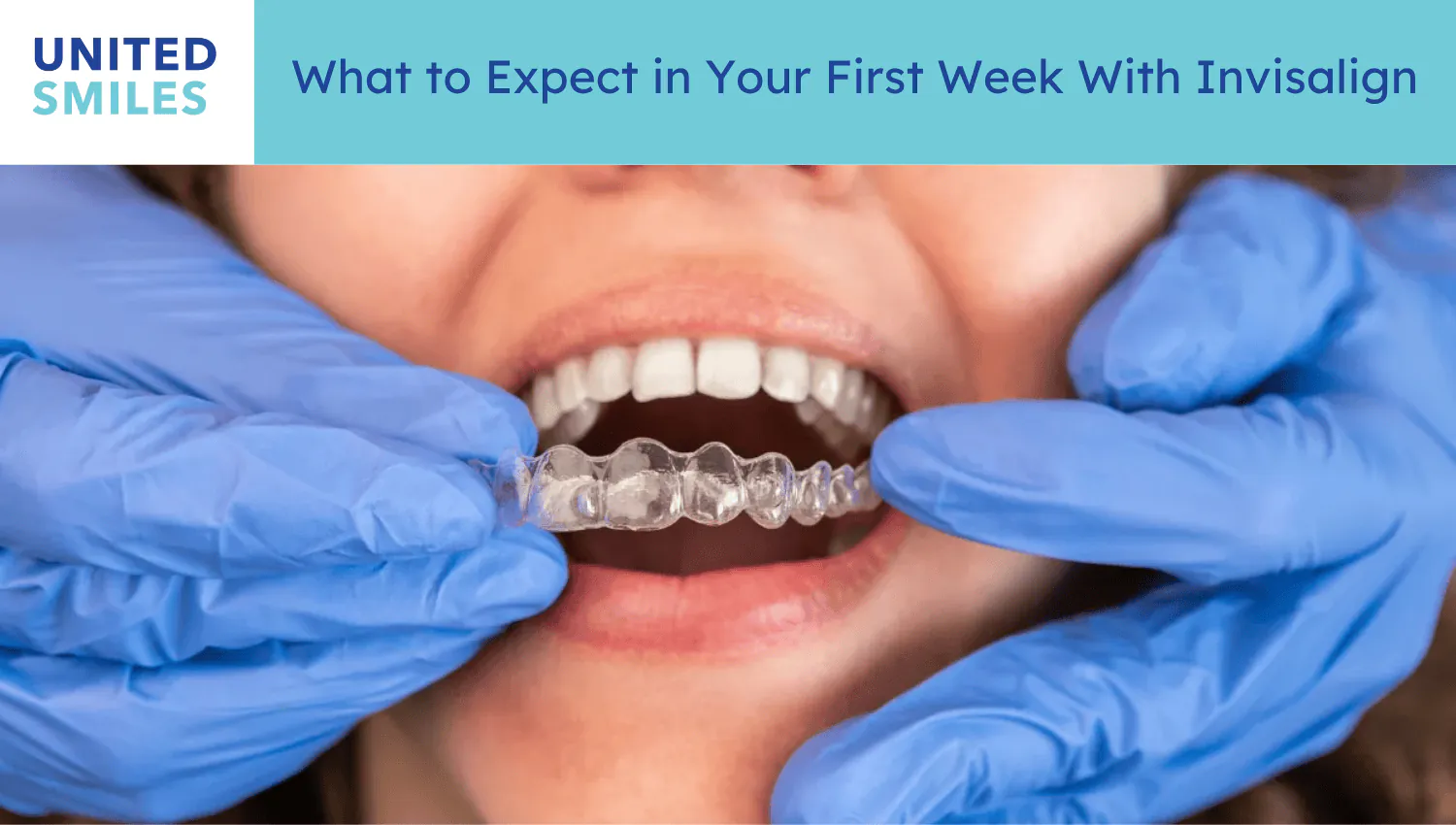
Invisalign treatment involves using a custom-made aligner set to solve teeth-related issues in a more comfortable and aesthetic way. The first week of aligner treatment is centered around adjusting to a new routine and building healthy habits. This period helps set the foundation for a successful treatment journey. It feels difficult at the start to carry a new thing, especially in the mouth, yet with the passage of time, patients get comfortable with it.
On the first day, the aligners feel very snug. The teeth start shifting to the desired position with the continuous pressure of these aligners. A mid-moderate soreness feel on the jaws and teeth for the first 2-3 days. Prefer eating soft foods or juices to prevent soreness. Plastic edges of the aligners cause irritation to the mouth and lips, or cheeks, etc. The mouth treats it as a foreign body, which increases the saliva production. A number of patients feel a clear change in pronouncing words, especially the “s” and “z” letters.
Here are the four drinking or eating adjustments needed with Invisalign treatment:
Here are the four methods to clean the aligners:
Here are the four changes that occur in the daily routine with Invisalign treatment:
Aligners change the movement of the tongue and its contact with the teeth and palate. This leads to difficulty in pronouncing words or letters, especially “s” and “z”. This is improved in a few days or a week, yet practicing words loudly speeds up the process. Saliva production also increases as the mouth treats it as a foreign body. Persistent difficulty indicates that the aligners are not a good fit.
Orthodontic wax is used to get relief from the edges of the aligners. A counter pain reliever like acetaminophen or ibuprofen is used in case of shifting to a new tray. The patient has this relief one hour before inserting a new tray. Cold water numbs the sore areas of the mouth, gives temporary relief from pressure, and reduces the inflammation. Aligner chewies are soft tools used to improve the fit of aligners while removing air gaps between the teeth and trays. They help ensure proper pressure and reduce discomfort during adjustment. Prefer shifting to a new set of aligners before bed to reduce the pain of adjustment. Soft foods help to relieve the pain at the start.
Contact the dentist in case of damage or cracking in the aligner set. Continuous pain and soreness even after a few days of initial shifting indicated that the aligners are not fitting properly. Discuss it with the orthodontist to have a checkup or shift to a new customized tray. Frequent bleeding, swelling, or irritation is not common after a few days or a week. Prefer discussing it with a dentist instead of having relievers without the dentist's recommendation.


I had a great experience at Dr. Hetal Shah’s office! The staff was friendly and welcoming from the moment I arrived. The practice is very clean and hygienic. Dr. Shah was thorough and explained everything clearly during my check-up. The cleaning was gentle yet effective, and I appreciated the helpful tips she gave me for maintaining my oral health at home.

I found United Smiles on Yelp. They had good reviews, took my insurance, and were open on Saturdays, so I gave them a try. I was pleasantly surprised by the clean office and friendly staff. Dr. Shah was great! She was very friendly and gentle but thorough with my teeth cleaning. I look forward to future treatment with Dr. Shah & her staff.

I just finished my Invisalign treatment with Dr. Shah, and I’m so happy with the results! From the first consultation to getting my retainer, Dr. Shah and the team were super friendly and made sure I was comfortable throughout the whole process. They were always ready to answer my questions, and everything went smoothly and quickly. My smile looks great now, and I definitely recommend Dr. Shah to anyone thinking about Invisalign she is awesome at what she does!

I had a great experience during my first dental visit at United Smiles Dental Studio. Dr. Shah’s team make you feel welcomed from the moment you walk in! I recommend Dr. Shah if you’re looking for an honest, professional and caring dentist, she’s the best dentist we’ve met. She listens to your questions and concerns and explains everything during the exam. Thanks Dr. Shah and Team!

Our whole family visits United Smiles. We are very happy with their services. The staff is very friendly and welcoming. Dr Shah is amazing! She has remedy and good suggestions for all of our dental problems. Thank you Dr Shah and team for everything!!

I had really nice experience, It was my first time I visited there & Doctor Hetal was Awesome & all staff was really good.

Dr. Hetal is very nice and gentle with kids. I highly recommend her. She is knowledgeable and listens to all the concerns really well. My kids like her a lot!

I had a great experience with Dr. Shah to replace a broken filling. She was fast and meticulous at the same time, couldn’t have asked for a more pleasant experience. The young man assisting Dr. Shah was very helpful too. Thank you so much, Dr. Shah!

Dr. Shah is extremely thorough in my examination and cleaning my teeth today. Dr. Shah is very warm and friendly. I recommend her to everyone.


Join our monthly newsletter to receive expert dental advice, seasonal promotions, and the latest news from United Smiles Dentistry.


HOURSMonday | 9 AM–5 PM
Tuesday | 9 AM–5 PM
Wednesday | 9 AM–5 PM
Friday | 9 AM–5 PM
Saturday | 9 AM–3 PM
Thursday | Closed
Sunday | Closed
Contact Us
United Smiles Dentistry
1523 N Vasco Rd,
Livermore, CA 94551
(925) 373-4855


Subscribe Newsletters


