
October 18, 2025
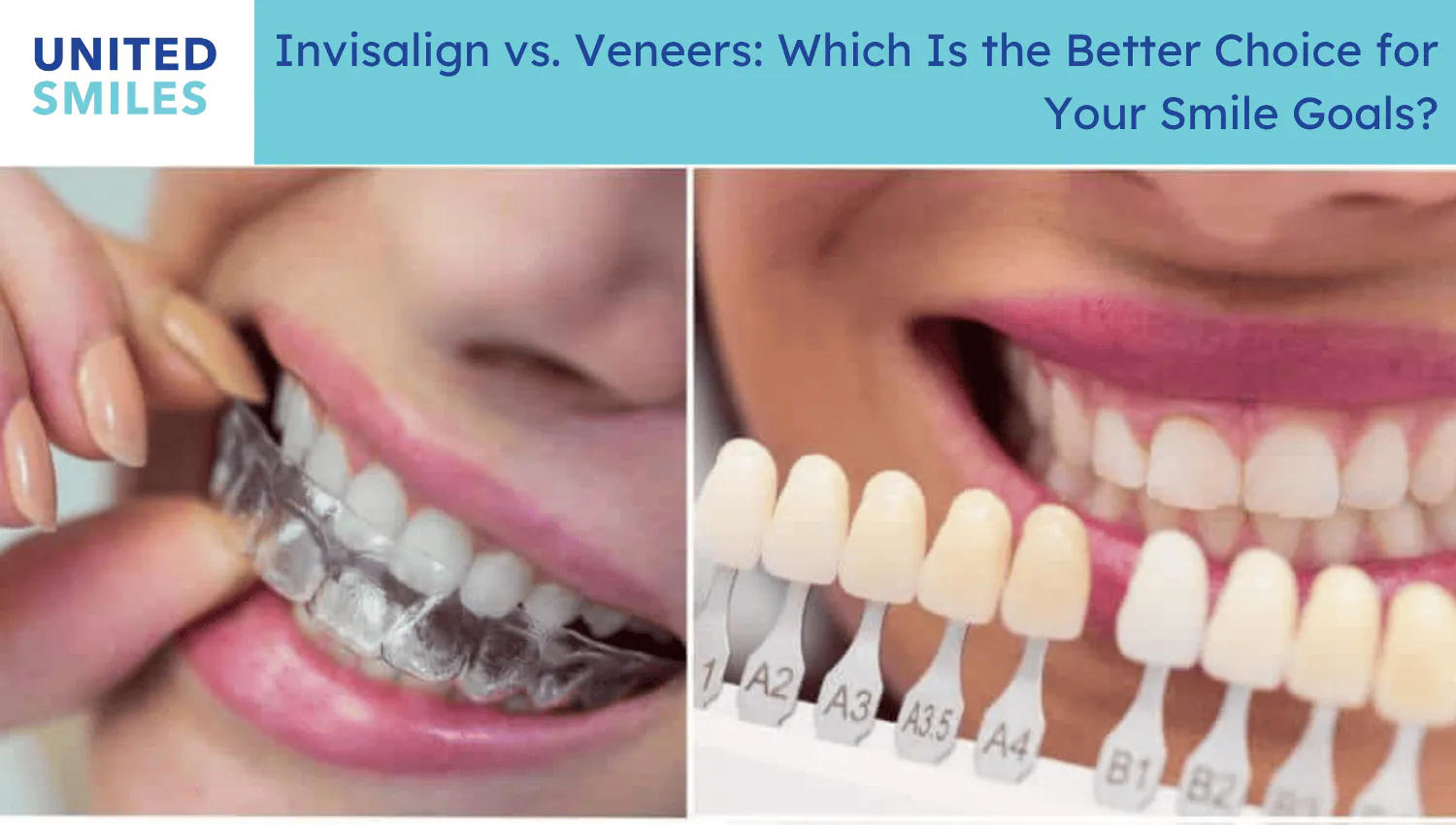
Invisalign and veneers are both popular choices for dental treatments, yet they are used to tackle different issues in different ways. Veneers are a cosmetic solution that is designed to correct visual imperfections and enhance dental aesthetics. Invisalign is used to straighten the misaligned teeth, jaws, and bite issues. It has a success rate of 80-90% in mild-moderate cases, which varies on an individual basis. The aligner treatment is both reversible and irreversible, while the veneer treatment is irreversible. Prefer using the veneer treatment for aesthetics and the Invisalign treatment for correcting bite and alignment-related issues.
Invisalign treatment uses a series of clear and removable aligners to straighten misaligned teeth or jaws. It puts consistent pressure on each tooth to move it to the targeted position. The Invisalign method targets the roots of the teeth to bring them into proper alignment. The actual root movement differs by 3–5 mm from the predicted path, especially in extraction cases. Veneer treatment is primarily used for changing the shape, color, and size of the teeth. It affects the front area of the teeth to solve minor gaps, chips, and permanent discoloration imperfections. Veneer treatment can also solve the minor misalignment issues. The after effects of the Invisalign treatment are retained using the retainers, while the veneer treatment needs to be repeated after a specified years.
The veneer method provides instant results. It transforms the teeth in just 1-3 weeks. In the first visit, the dentist prepares the teeth for the veneer treatment, and the dental impressions are collected. The veneers are prepared in the lab and then bonded to the teeth to achieve the desired results. Invisalign slowly moves the teeth to the desired position and requires 6-18 months for effective results. The aligners are also custom-made, prepared with medical-grade plastic. It provides a lasting dental solution.
The cost of Invisalign treatment relies on the duration and severity of the case. Veneer treatment cost depends on the number of teeth that need to be transformed. The average cost of the Invisalign treatment is $3,000-$7,000 with proper hygiene and compliance. Veneers are of different types; the porcelain veneer treatment charges are up to $8,000-$2,500 per tooth. The average service life ranges between 10 and 15 years. According to a systematic review by A. Alenezi et al. (2021), the porcelain laminate veneers (PLVs) show a 10-year cumulative survival rate (CSR) of about 95.5% in many studies. Composite veneer treatment is cheaper than porcelain, yet it needs to be replaced after 5-7 years. Aligners need regular maintenance during the treatment; the patient can enjoy any food with the aligners removed. The veneer method demands gentle brushing and inhibits the ingestion of hard foods to prevent surface breakdown.
Invisalign is smooth and removable, which makes it comfortable afterward, yet in the first few days, it causes irritation and soreness. Veneer alters the tooth enamel, which enhances tooth sensitivity in the first few days. It requires less maintenance once placed compared to Invisalign. The aligners need continuous compliance and maintenance of hygiene for 6-18 months. Shifting to a new set of aligners causes pain periodically, and the patient needs to wear them for 20-22 hours a day. Approximately 17.2% of patients initially opting for Invisalign switch to braces during treatment due to limitations or complications. Veneers are best for those patients who are not confident about the compliance and want a free-hand treatment.
Invisalign is a non-invasive treatment that maintains the original shape and structure of the teeth and straightens the jaw and teeth. The results remain permanent when retainers are worn regularly. Veneers offer an aesthetic smile in a short duration. The patient can choose any shade of white and the shape of the teeth for a dramatic look. Yet they are more expensive than other dental treatments. The results are also not permanent and need replacement after a specified duration.
Invisalign treatment is best for long-term oral hygiene. It utilizes the teeth as it is and enhances the aesthetics. It corrects alignments and solves bite-related issues, preventing food traps and bacterial buildup. Veneer is an invasive method that removes the enamel to achieve the desired results. It needs a strong tooth base to be placed on a foundation. The teeth with cavities or gum diseases need to be treated first, and after the treatment, it increases the sensitivity of the teeth. After treatment, the teeth need to stay covered; this helps protect them from bacteria and keeps sensitivity under control.


I had a great experience at Dr. Hetal Shah’s office! The staff was friendly and welcoming from the moment I arrived. The practice is very clean and hygienic. Dr. Shah was thorough and explained everything clearly during my check-up. The cleaning was gentle yet effective, and I appreciated the helpful tips she gave me for maintaining my oral health at home.

I found United Smiles on Yelp. They had good reviews, took my insurance, and were open on Saturdays, so I gave them a try. I was pleasantly surprised by the clean office and friendly staff. Dr. Shah was great! She was very friendly and gentle but thorough with my teeth cleaning. I look forward to future treatment with Dr. Shah & her staff.

I just finished my Invisalign treatment with Dr. Shah, and I’m so happy with the results! From the first consultation to getting my retainer, Dr. Shah and the team were super friendly and made sure I was comfortable throughout the whole process. They were always ready to answer my questions, and everything went smoothly and quickly. My smile looks great now, and I definitely recommend Dr. Shah to anyone thinking about Invisalign she is awesome at what she does!

I had a great experience during my first dental visit at United Smiles Dental Studio. Dr. Shah’s team make you feel welcomed from the moment you walk in! I recommend Dr. Shah if you’re looking for an honest, professional and caring dentist, she’s the best dentist we’ve met. She listens to your questions and concerns and explains everything during the exam. Thanks Dr. Shah and Team!

Our whole family visits United Smiles. We are very happy with their services. The staff is very friendly and welcoming. Dr Shah is amazing! She has remedy and good suggestions for all of our dental problems. Thank you Dr Shah and team for everything!!

I had really nice experience, It was my first time I visited there & Doctor Hetal was Awesome & all staff was really good.

Dr. Hetal is very nice and gentle with kids. I highly recommend her. She is knowledgeable and listens to all the concerns really well. My kids like her a lot!

I had a great experience with Dr. Shah to replace a broken filling. She was fast and meticulous at the same time, couldn’t have asked for a more pleasant experience. The young man assisting Dr. Shah was very helpful too. Thank you so much, Dr. Shah!

Dr. Shah is extremely thorough in my examination and cleaning my teeth today. Dr. Shah is very warm and friendly. I recommend her to everyone.


Are you ready to transform your smile with Invisalign? Contact us now or request your first appointment to start your journey toward a healthier, more confident smile!
Schedule TodayJoin our monthly newsletter to receive expert dental advice, seasonal promotions, and the latest news from United Smiles Dentistry.


HOURSMonday | 9 AM–5 PM
Tuesday | 9 AM–5 PM
Wednesday | 9 AM–5 PM
Friday | 9 AM–5 PM
Saturday | 9 AM–3 PM
Thursday | Closed
Sunday | Closed
Contact Us
United Smiles Dentistry
1523 N Vasco Rd,
Livermore, CA 94551
(925) 373-4855
.png)
.png)

Subscribe Newsletters


