
December 16, 2024
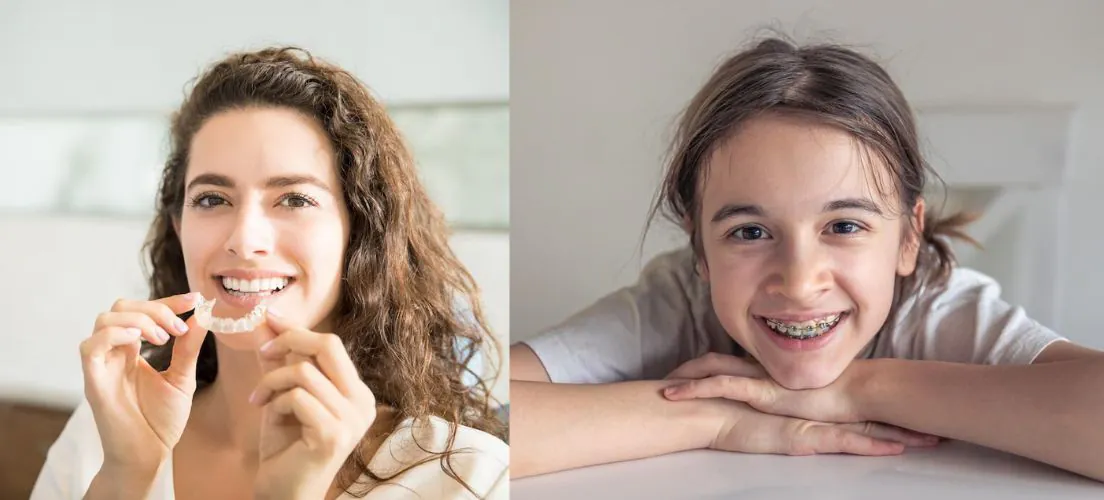
Thinking about straightening your teeth? Are you wondering, “Should I get braces or invisalign?”

Your smile is one of the first things people notice—it influences your confidence, appearance, and even oral health. Misaligned, overcrowded, or gapped teeth can lead to issues like difficulty cleaning, uneven wear, and even jaw pain.
That’s why choosing the right orthodontic treatment is so important. The two most common options are Invisalign and braces. While both are effective, the best choice depends on your specific dental needs. In this guide, we’ll break down the benefits, drawbacks, and costs of each option to help you decide.
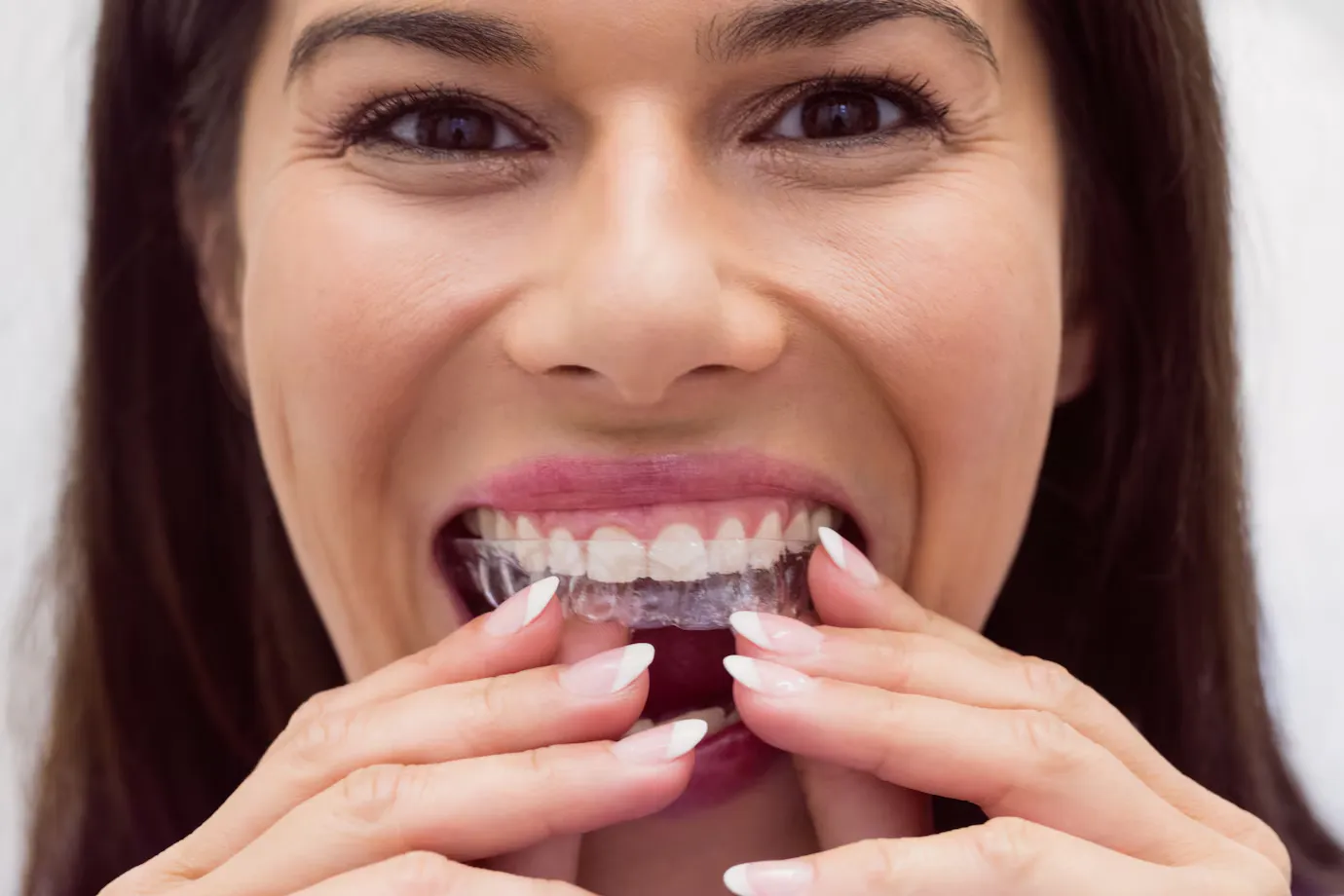
Invisalign is a modern orthodontic treatment that uses a series of clear, removable aligners to gradually straighten teeth. These aligners are custom-made for each patient and are designed to fit snugly over the teeth, applying gentle pressure to shift them into the desired position over time.
The Invisalign process begins with a consultation, during which a dentist takes 3D digital scans or impressions of your teeth. These scans help create a personalized treatment plan that maps out the gradual movement of your teeth. Based on this plan, a series of aligners is produced, with each set worn for about one to two weeks before progressing to the next.
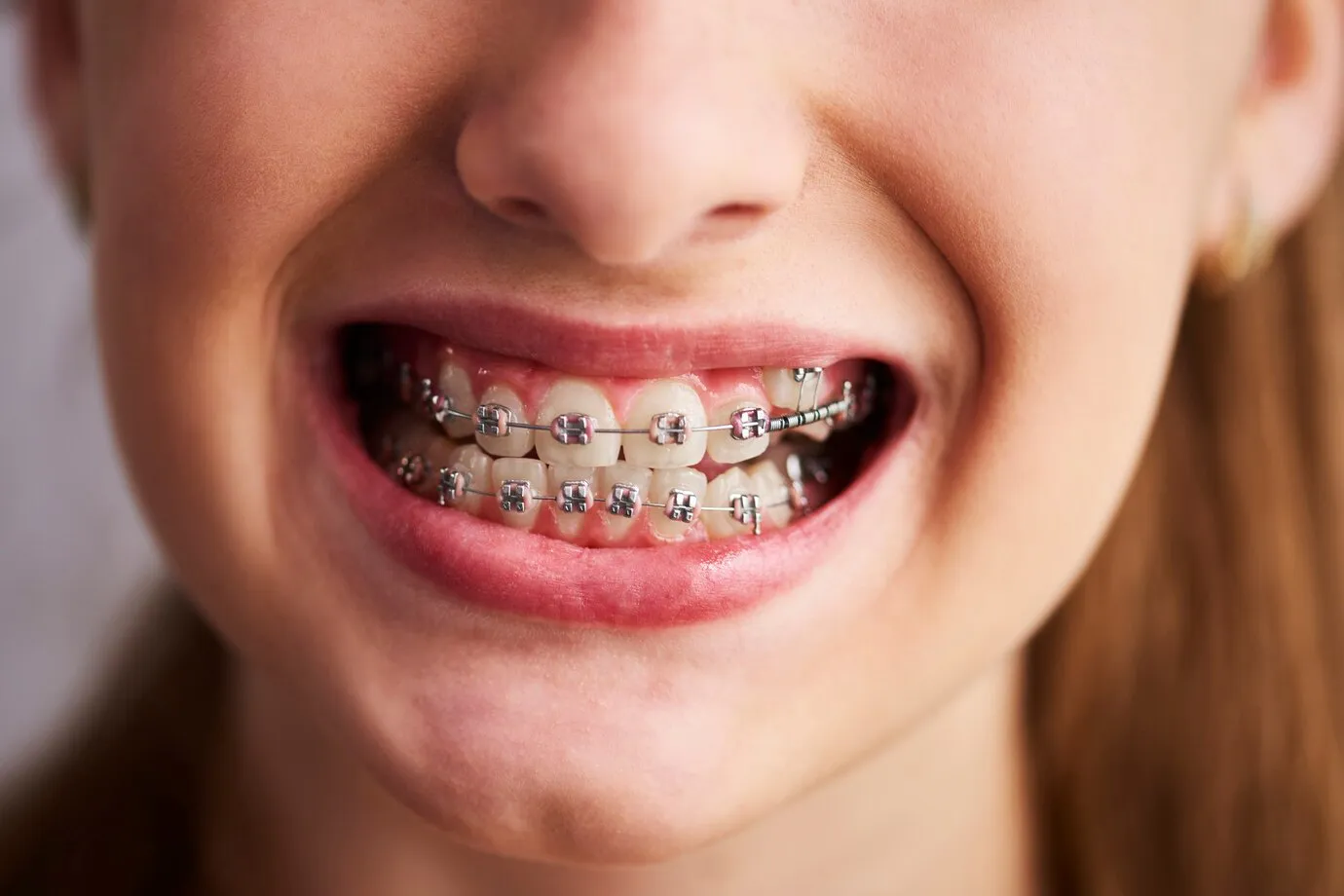
Traditional braces are a time-tested orthodontic treatment used to correct misaligned teeth and bite issues. They consist of brackets that are attached to the teeth and connected by a thin wire. The wire is periodically tightened by a professional to gradually shift the teeth into their correct position.
Braces are available in different types, including metal, ceramic, and lingual braces. These braces can also include rubber bands or additional appliances to address specific bite issues.
Braces work by applying constant pressure on the teeth, guiding them into proper alignment over time. The dentist adjusts the wires at regular intervals, ensuring steady progress. Depending on the complexity of the case, treatment with braces can last anywhere from 18 months to three years.
Orthodontic treatment costs will vary based on the complexity of the condition, the type of treatment, and the length of time required to achieve the desired results. Some individuals may find that Invisalign requires different treatment timelines than traditional braces, often involving more adjustments.
Since pricing varies for each patient, it is wise to consult a reputable dentist, like United Smiles Dentistry, to determine the most suitable and cost-effective treatment for your smile.
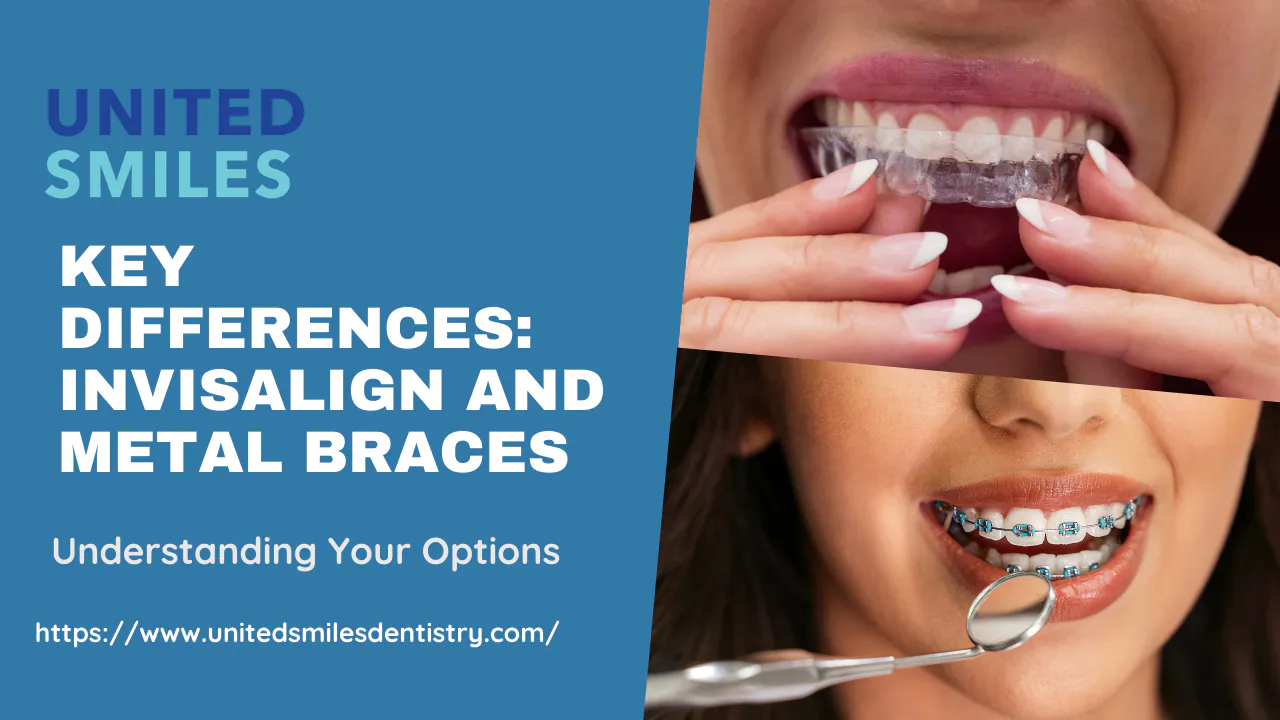
| Feature | Invisalign | Braces |
|---|---|---|
| Appearance | Clear, nearly invisible aligners | Visible brackets and wires |
| Comfort | Smooth plastic aligners, no risk of irritation from wires or brackets | May cause discomfort due to brackets and wires rubbing against cheeks and gums |
| Effectiveness | Suitable for mild to moderate misalignment | Effective for mild to severe misalignment, including complex cases |
| Removability | Removable for eating, drinking, and oral care | Fixed in place, cannot be removed until treatment is complete |
| Oral Hygiene | Easier to maintain oral hygiene since aligners are removable | More challenging to clean around brackets and wires |
| Dietary Restrictions | No restrictions – can eat anything after removing aligners | Must avoid sticky, hard, or chewy foods that can damage brackets |
| Treatment Duration | Typically 12–18 months, but varies per case | 18 months to 3 years, depending on complexity |
| Discipline Required | Must be worn 20–22 hours per day for effectiveness | No user compliance needed since braces are fixed in place |
| Orthodontic Visits | Fewer visits, as no adjustments are needed | Requires regular visits for wire tightening and adjustments |
| Customization Options | Custom-made clear aligners | Metal, ceramic, or lingual braces available for aesthetic options |
| Cost | Often more expensive than braces | Generally more affordable, but cost varies based on type and complexity |
Your choice between Invisalign and braces will depend on your dental needs, lifestyle, and personal preference.
Choose Invisalign if you:
Choose braces if you:
When deciding between Invisalign vs braces, remember both are effective options for straightening your smile. Invisalign is discreet and flexible, while braces are often the most effective choice for more complex cases. Ultimately, your specific needs, lifestyle, and preferences will guide your decision.
The best step is to consult with a dentist. Your case will be evaluated, your goals discussed, and you’ll be guided toward the treatment that will help you achieve the smile you’ve always wanted. For expert and comprehensive care, United Smiles Dentistry is here to assist. Visit our website for complete details.
Both invisalign and braces are effective but work differently. Invisalign uses clear, removable aligners for mild to moderate misalignments, offering a flexible and guarded option. Braces, with wires and brackets, are often better for more complex cases and can provide quicker results. Making the right choice depends on your specific dental needs.
The discomfort level can vary from person to person. Generally, Invisalign tends to cause less pain because it uses smooth, clear aligners that gradually shift your teeth. In contrast, braces involve brackets and wires that may irritate the inside of your mouth, causing more discomfort, especially after adjustments.
Yes, you can sleep with Invisalign. For best results, aligners should be worn for 20-22 hours a day, including while you sleep. Remove them when eating or drinking anything other than water to avoid damage.


I had a great experience at Dr. Hetal Shah’s office! The staff was friendly and welcoming from the moment I arrived. The practice is very clean and hygienic. Dr. Shah was thorough and explained everything clearly during my check-up. The cleaning was gentle yet effective, and I appreciated the helpful tips she gave me for maintaining my oral health at home.

I found United Smiles on Yelp. They had good reviews, took my insurance, and were open on Saturdays, so I gave them a try. I was pleasantly surprised by the clean office and friendly staff. Dr. Shah was great! She was very friendly and gentle but thorough with my teeth cleaning. I look forward to future treatment with Dr. Shah & her staff.

I just finished my Invisalign treatment with Dr. Shah, and I’m so happy with the results! From the first consultation to getting my retainer, Dr. Shah and the team were super friendly and made sure I was comfortable throughout the whole process. They were always ready to answer my questions, and everything went smoothly and quickly. My smile looks great now, and I definitely recommend Dr. Shah to anyone thinking about Invisalign she is awesome at what she does!

I had a great experience during my first dental visit at United Smiles Dental Studio. Dr. Shah’s team make you feel welcomed from the moment you walk in! I recommend Dr. Shah if you’re looking for an honest, professional and caring dentist, she’s the best dentist we’ve met. She listens to your questions and concerns and explains everything during the exam. Thanks Dr. Shah and Team!

Our whole family visits United Smiles. We are very happy with their services. The staff is very friendly and welcoming. Dr Shah is amazing! She has remedy and good suggestions for all of our dental problems. Thank you Dr Shah and team for everything!!

I had really nice experience, It was my first time I visited there & Doctor Hetal was Awesome & all staff was really good.

Dr. Hetal is very nice and gentle with kids. I highly recommend her. She is knowledgeable and listens to all the concerns really well. My kids like her a lot!

I had a great experience with Dr. Shah to replace a broken filling. She was fast and meticulous at the same time, couldn’t have asked for a more pleasant experience. The young man assisting Dr. Shah was very helpful too. Thank you so much, Dr. Shah!

Dr. Shah is extremely thorough in my examination and cleaning my teeth today. Dr. Shah is very warm and friendly. I recommend her to everyone.


Are you ready to transform your smile with Invisalign? Contact us now or request your first appointment to start your journey toward a healthier, more confident smile!
Schedule TodayJoin our monthly newsletter to receive expert dental advice, seasonal promotions, and the latest news from United Smiles Dentistry.


HOURSMonday | 9 AM–5 PM
Tuesday | 9 AM–5 PM
Wednesday | 9 AM–5 PM
Friday | 9 AM–5 PM
Saturday | 9 AM–3 PM
Thursday | Closed
Sunday | Closed
Contact Us
United Smiles Dentistry
1523 N Vasco Rd,
Livermore, CA 94551
(925) 373-4855
.png)
.png)

Subscribe Newsletters


