October 16, 2025
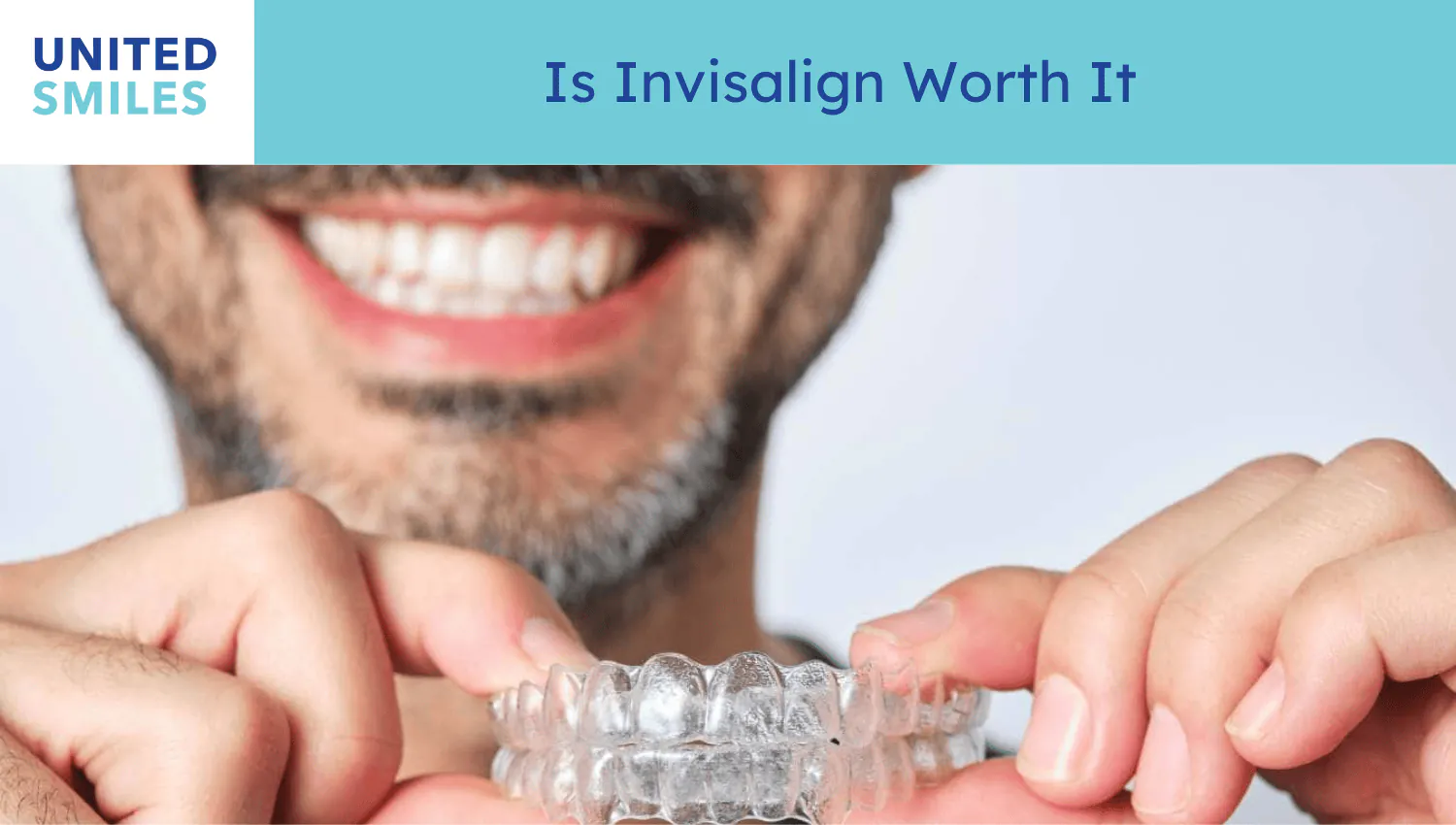
Invisalign is a cosy treatment and an alternative to traditional braces. It is based on clear, invisible, and removable aligners to solve any teeth-related issues like overbite, underbite, or jaw alignment. The aligners are custom-developed with the use of 3D technology to make precisely accurate plastic trays for patients' teeth. They apply continuous pressure and push the teeth to the desired position. The aligners are changed after every 1-2 weeks in accordance with the new position of teeth. The patient feels soreness or pain at the start of treatment, which disappears after a few days. Temporary speech changes and irritation are common, yet a persistent pain needs to be discussed with the orthodontist. The patient wears these aligners for 20-22 hours every day for more effective results.
Here is the average range and factors which influences the cost of Invisalign treatment:
Mostly adults are moving to this treatment due to enhanced aesthetics. It allows them to work with confidence in social and professional areas. The patients with mild-to-moderate issues also opt for these aligners, as they are removable, which makes them more convenient in their daily routine. The individuals who want comfort and prefer aesthetics should go with these aligners.
Here are the five benefits of Invisalign treatment:
Here are the five differences between Invisalign and braces treatment:
The severity of the case influences which treatment is most appropriate. Invisalign is preferred in adults for its aesthetics, while braces are cost-effective. Invisalign is worn for 20-22 hours per day, and braces are attached permanently to the mouth, which enhances patients' compliance. Aligners improve confidence in social areas and also increase oral health benefits. It reduces gum disease, the risk of cavities, and jaw problems. The aligners are good for mild-moderate cases; attachments are needed for complex cases. The button becomes visible, which fades off its unique characteristic of invisibility. Retainers(fixed or removable) are used to retain the achieved results for a longer period.


I had a great experience at Dr. Hetal Shah’s office! The staff was friendly and welcoming from the moment I arrived. The practice is very clean and hygienic. Dr. Shah was thorough and explained everything clearly during my check-up. The cleaning was gentle yet effective, and I appreciated the helpful tips she gave me for maintaining my oral health at home.

I found United Smiles on Yelp. They had good reviews, took my insurance, and were open on Saturdays, so I gave them a try. I was pleasantly surprised by the clean office and friendly staff. Dr. Shah was great! She was very friendly and gentle but thorough with my teeth cleaning. I look forward to future treatment with Dr. Shah & her staff.

I just finished my Invisalign treatment with Dr. Shah, and I’m so happy with the results! From the first consultation to getting my retainer, Dr. Shah and the team were super friendly and made sure I was comfortable throughout the whole process. They were always ready to answer my questions, and everything went smoothly and quickly. My smile looks great now, and I definitely recommend Dr. Shah to anyone thinking about Invisalign she is awesome at what she does!

I had a great experience during my first dental visit at United Smiles Dental Studio. Dr. Shah’s team make you feel welcomed from the moment you walk in! I recommend Dr. Shah if you’re looking for an honest, professional and caring dentist, she’s the best dentist we’ve met. She listens to your questions and concerns and explains everything during the exam. Thanks Dr. Shah and Team!

Our whole family visits United Smiles. We are very happy with their services. The staff is very friendly and welcoming. Dr Shah is amazing! She has remedy and good suggestions for all of our dental problems. Thank you Dr Shah and team for everything!!

I had really nice experience, It was my first time I visited there & Doctor Hetal was Awesome & all staff was really good.

Dr. Hetal is very nice and gentle with kids. I highly recommend her. She is knowledgeable and listens to all the concerns really well. My kids like her a lot!

I had a great experience with Dr. Shah to replace a broken filling. She was fast and meticulous at the same time, couldn’t have asked for a more pleasant experience. The young man assisting Dr. Shah was very helpful too. Thank you so much, Dr. Shah!

Dr. Shah is extremely thorough in my examination and cleaning my teeth today. Dr. Shah is very warm and friendly. I recommend her to everyone.


Are you ready to transform your smile with Invisalign? Contact us now or request your first appointment to start your journey toward a healthier, more confident smile!
Schedule TodayJoin our monthly newsletter to receive expert dental advice, seasonal promotions, and the latest news from United Smiles Dentistry.


HOURSMonday | 9 AM–5 PM
Tuesday | 9 AM–5 PM
Wednesday | 9 AM–5 PM
Friday | 9 AM–5 PM
Saturday | 9 AM–3 PM
Thursday | Closed
Sunday | Closed
Contact Us
United Smiles Dentistry
1523 N Vasco Rd,
Livermore, CA 94551
(925) 373-4855
.png)
.png)

Subscribe Newsletters


